
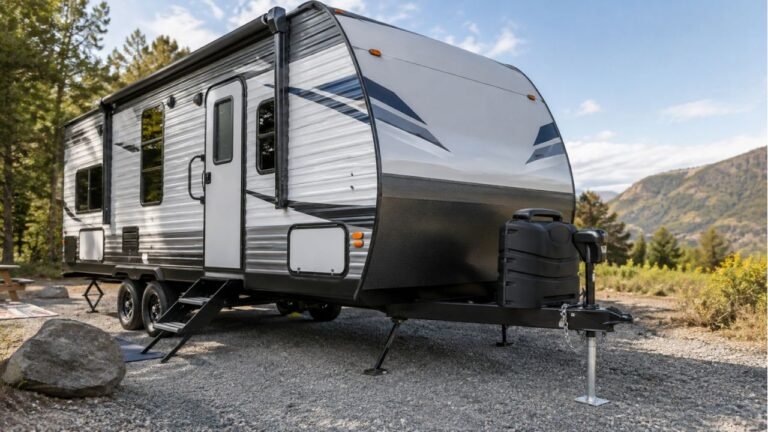
A trailer jack that drops overnight usually has a worn internal gear, damaged screw thread, failing brake or clutch, hydraulic seal leak, or holding valve problem. If the jack itself is retracting...
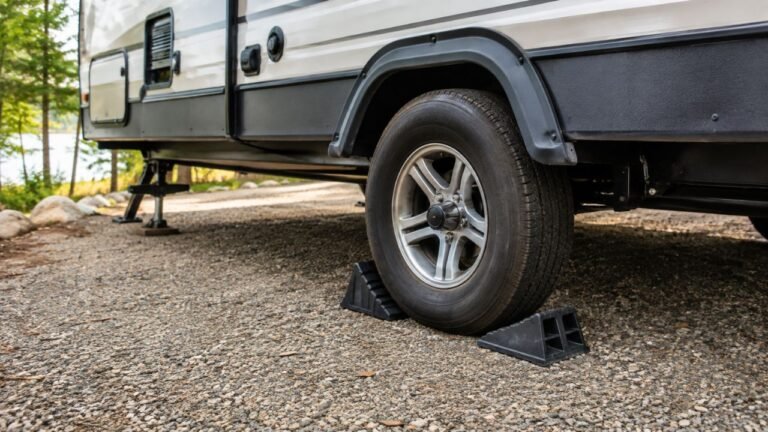
Wheel chocks keep sliding when they cannot create enough grip between the chock and the ground. Smooth concrete, wet pavement, loose gravel, undersized chocks, poor placement, and excessive slope can...
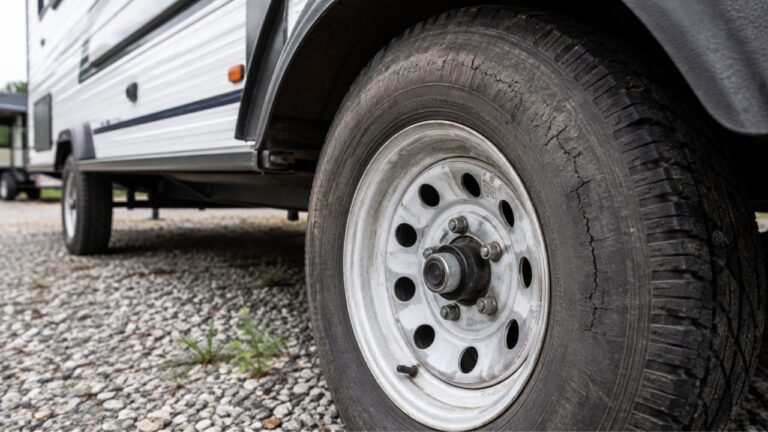
Trailer tires often crack early because they spend long periods parked while sunlight, heat, oxygen, ozone, and changing temperatures continue aging the rubber. Low tire pressure, heavy loads, poor...
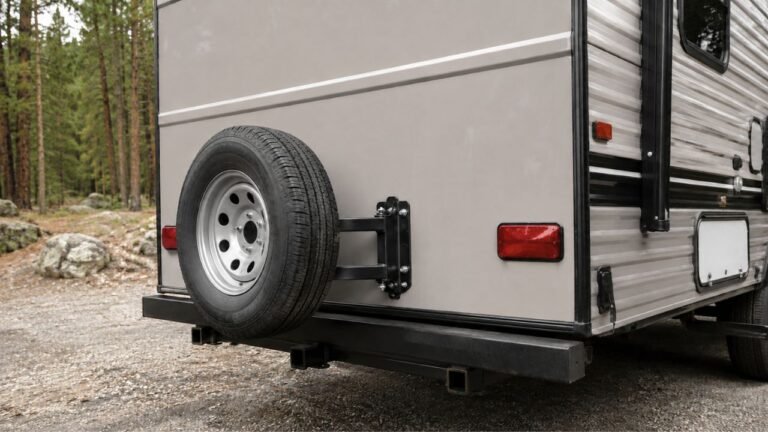
A spare tire carrier usually shakes because of loose mounting hardware, worn hinges or bushings, missing rubber bumpers, poor wheel fitment, or a spare tire that is too heavy for the carrier. The...
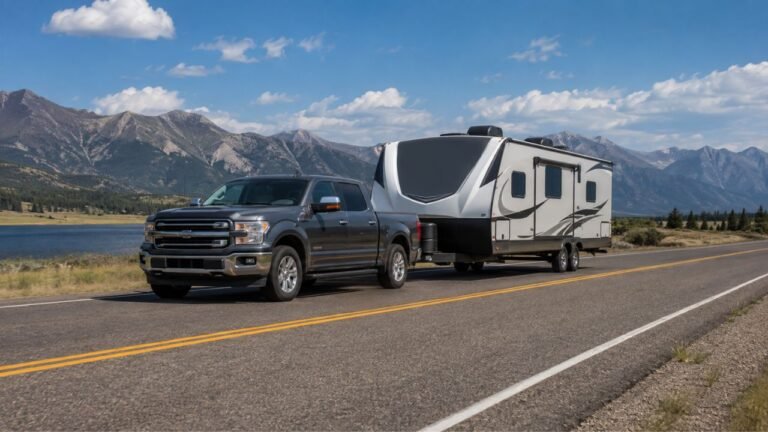
A trailer usually pulls when braking because its left and right brakes are not applying equal braking force. One brake may grab harder, while another may be weak, poorly adjusted, contaminated...
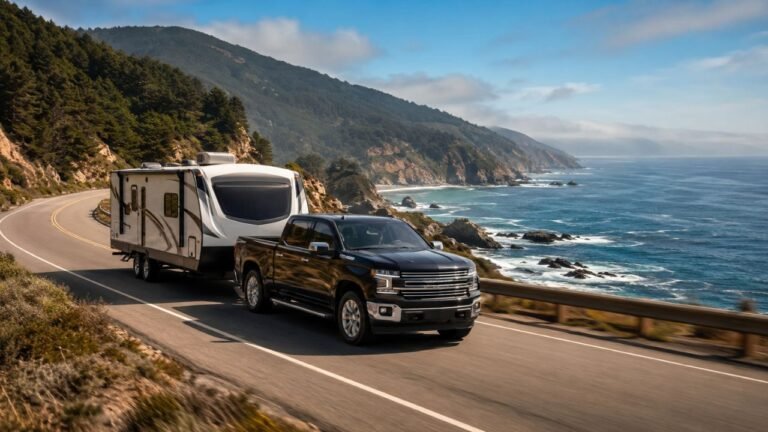
Trailer brakes usually lock up because the brake controller sends too much power, the breakaway switch activates, wiring feeds constant power to the brakes, or the brake assemblies are adjusted or...
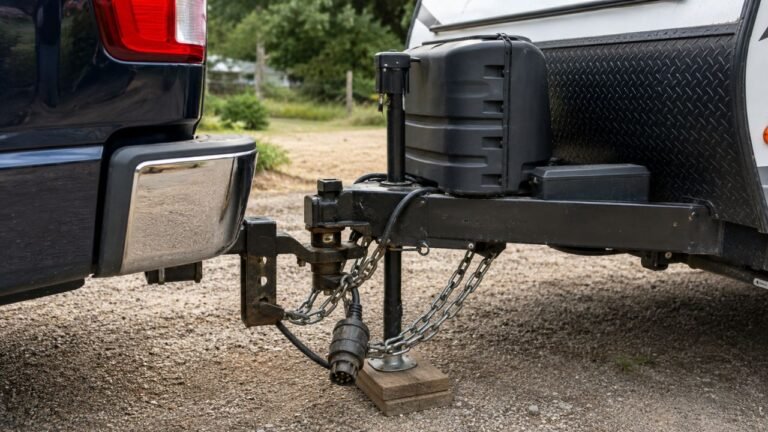
Your brake controller says “No Trailer” when it cannot detect a complete electrical circuit through the trailer’s electric brakes. A dirty 7-way connector, weak ground, broken brake wire, blown...
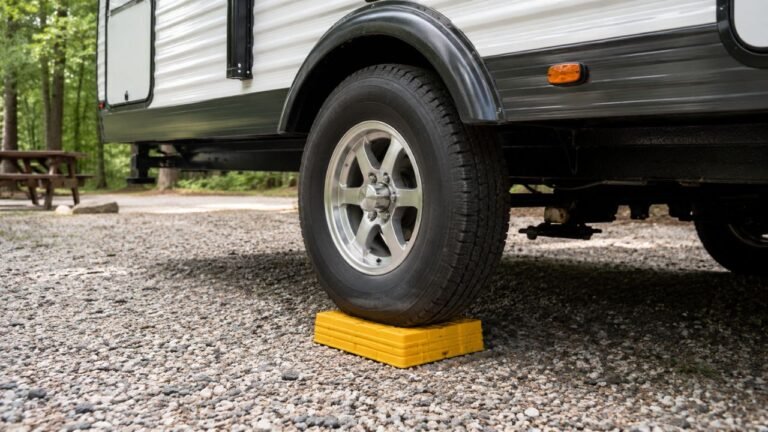
No, trailer tires should not hang unsupported over leveling blocks. The tire’s loaded tread and contact area should sit flat and securely on the leveling surface. A little natural sidewall bulge...
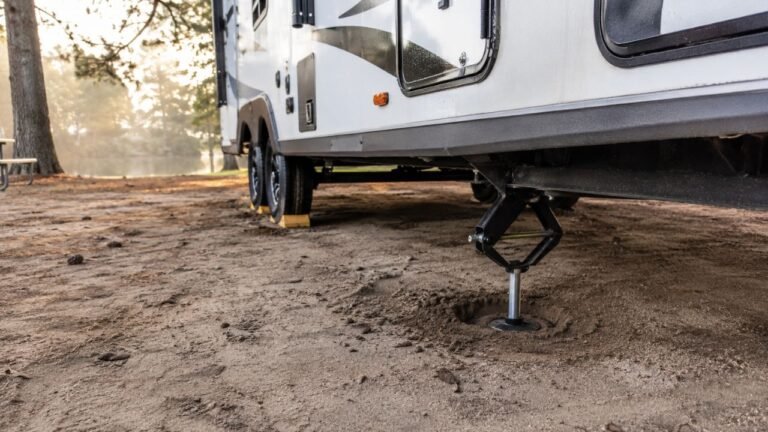
Stabilizer jacks usually sink overnight because their small feet concentrate pressure on soft, wet, sandy, gravelly, or heat-softened ground. As the surface slowly compresses, the jack settles lower...